Feed del blog

SPANISH FOOD

Some of the typical foods of Spain are; Cocido madrileño, Fabada Asturiana, Jamón Serrano, Gazpacho y salmorejo, Tortilla de patatas, Pulpo a la gallega, Lechazo o cordero asado.

I’m going to focus on two of these dishes:

Pulpo a la gallega. Is a traditional Galician dish and basic in its gastronomy, although its consumption has become widespread throughout Spain. It is a festive dish made with whole cooked octopus that is present in festivals, fairs and pilgrimages in Galicia, El Bierzo (León) and Sanabria (Zamora) hence its name «á feira». The cooking is traditionally done by the polbeiras, it is often served today as a tapa.

-Fabada Asturiana. Is the traditional dish of Asturian cuisine made with Asturian faba, sausages such as chorizo and Asturian black pudding, and pork. It is the typical dish of Asturias, but its diffusion is so great in the Iberian Peninsula that it forms part of the most recognized gastronomy of Spain; according to some authors it is considered one of the ten typical recipes of the Spanish cuisine. In Spain it is usually sold canned in supermarkets. It is a winter dish with a high volume of calories and fat; it is served hot at midday.
BRAZILIAN FOOD

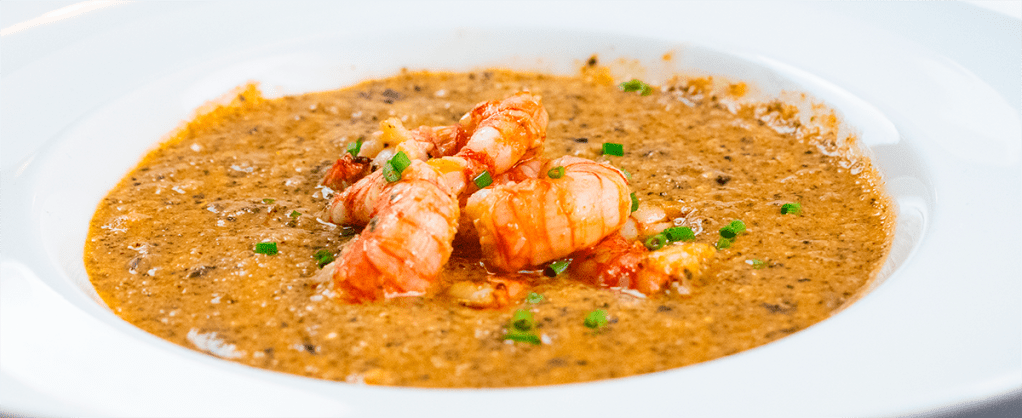
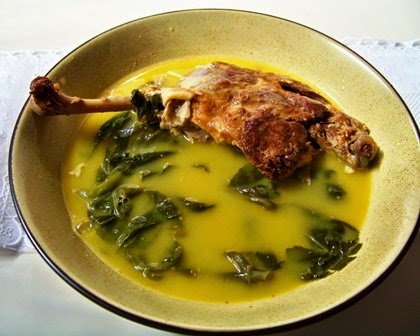
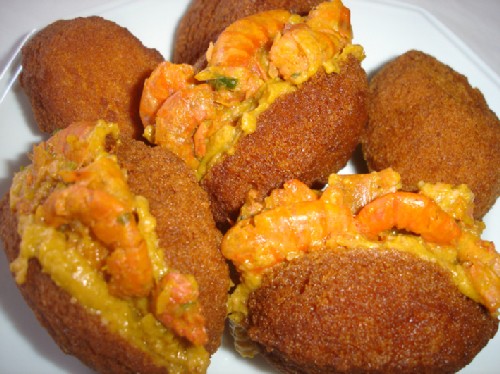
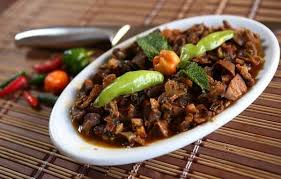
Some of the typical foods of Brazil are; Picanha, Sarapatel, Feijoada, Acarajé, Vatapá, Moqueca de pescado, Pato no tucupi.

I’m going to focus on two of these dishes:

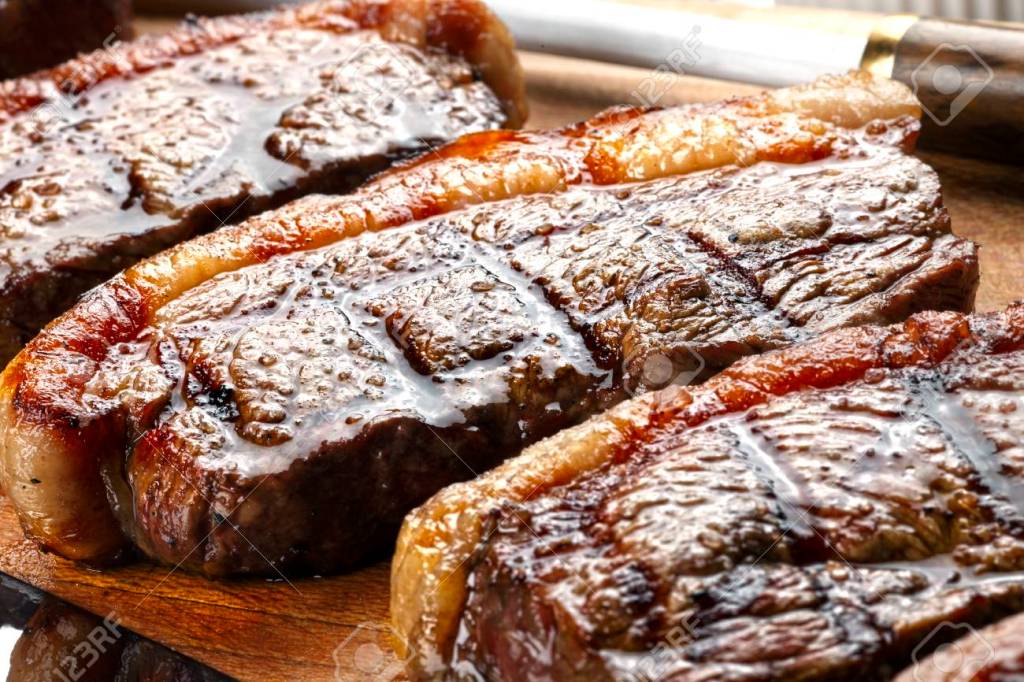
-Picanha. Is a cut of beef called sirloin cap in the United States or the rump cap in the United Kingdom, that is popular in Portugal and Brazil. In the United States, it is little known, but referred to as the rump cover, rump cap, or culotte. North American butchers generally divide it into other cuts like the rump, the round, and the loin. It consists of the M. biceps femoris muscle and its fat cap.

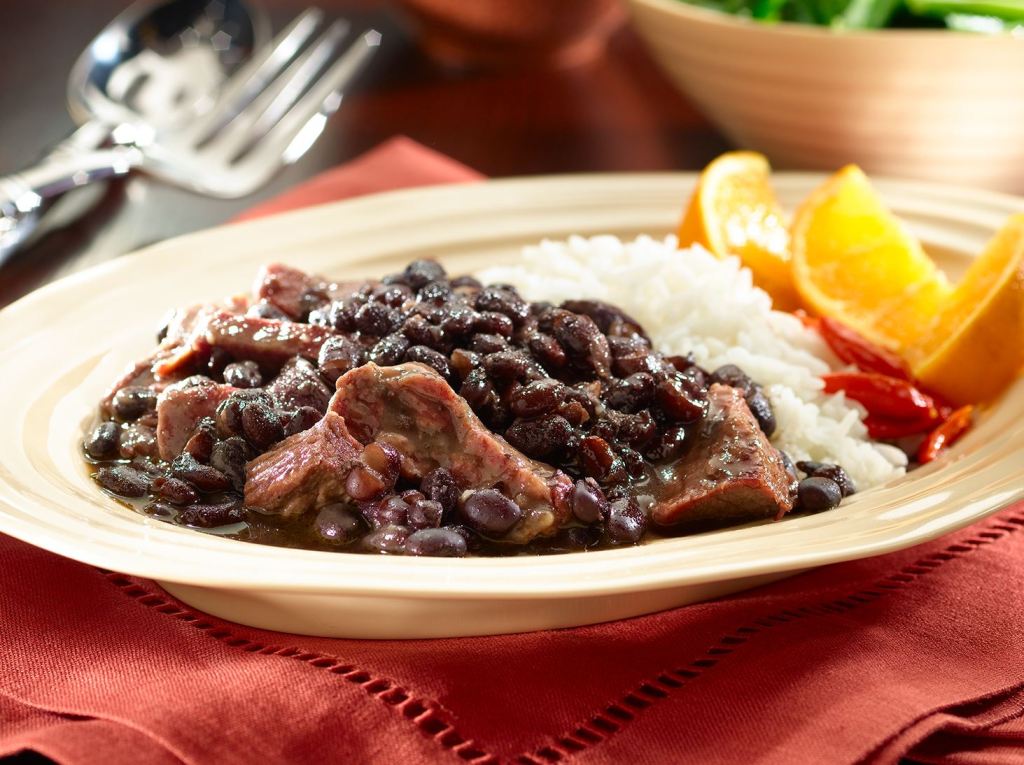
-Feijoada. Is one of the typical dishes of Brazilian cuisine (considered a national dish), of the gastronomy of Portugal and also very common in Mozambique and Angola. Its basic ingredients are beans (usually black in Brazil, white or red in Portugal) and salted pork. It is usually accompanied by rice and oranges. In almost all Brazilian territory is usually sprinkled with cassava flour (yucca) and in many parts is used a mixture of that flour with other ingredients, such as eggs, sausage, among others, called farofa.

MEXICAN FOOD

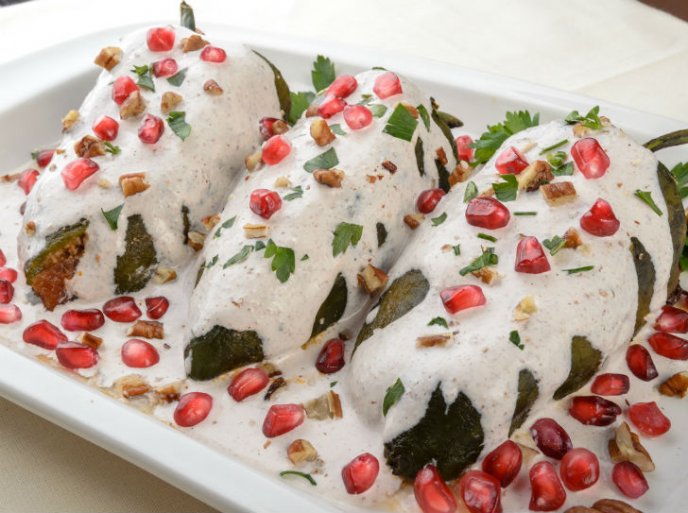
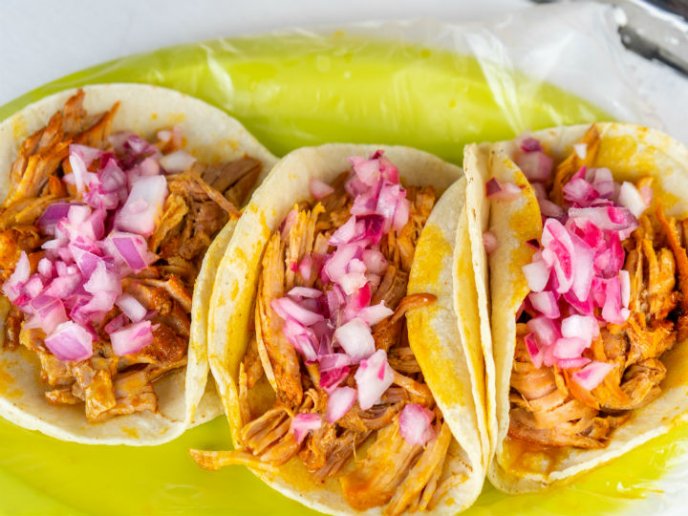
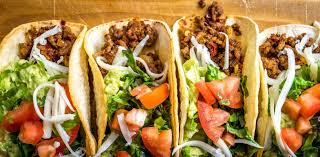
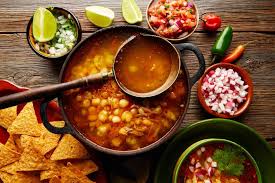
Some of the typical foods of Mexico are; Mole, Pozole, Enchiladas, Chiles en nogada, Cochinita pibil, Enfrijolada, Tacos.

I’m going to focus on two of these dishes:

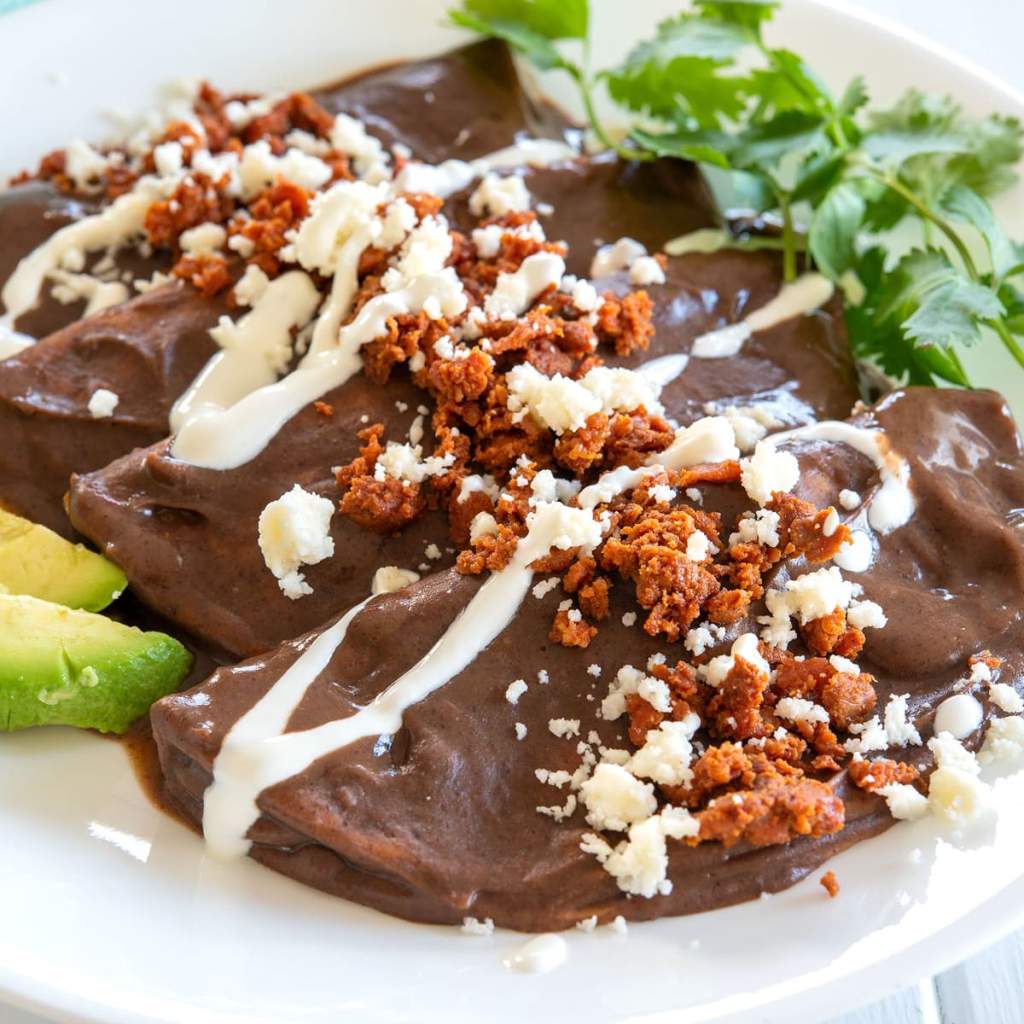
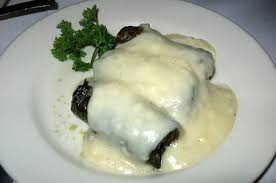
-Enfrijolada. Is a Mexican dish elaborated with corn tortillas, beans, cheese and other ingredients. Enfrijoladas stuffed with chorizo The preparation of this dish is quite similar to that of enchiladas. Proceeding first to a light frying of the tortillas to submerge them in the sauce for use, and dressing everything with cheese and various ingredients (slices of onion, slices of avocado, lettuce leaves, etc.). Except instead of hot chili sauce, mashed beans are used.

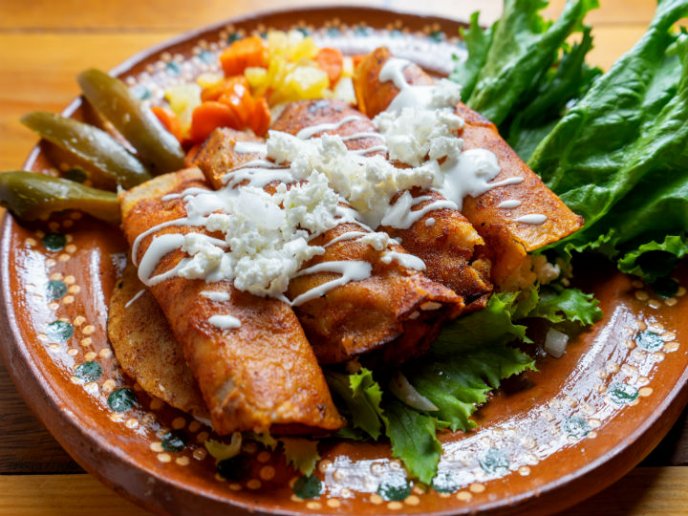
-Enchilada. Is a dish that in Mexico is made with corn tortilla bathed in some spicy sauce using chile in its preparation. Depending on the style, the enchilada can be accompanied or filled with meat -chicken, turkey, beef- or cheese; in addition to being accompanied by some additional garnish, which generally consists of fresh onion or sliced, lettuce, cream of milk and cheese.

GREEK FOOD

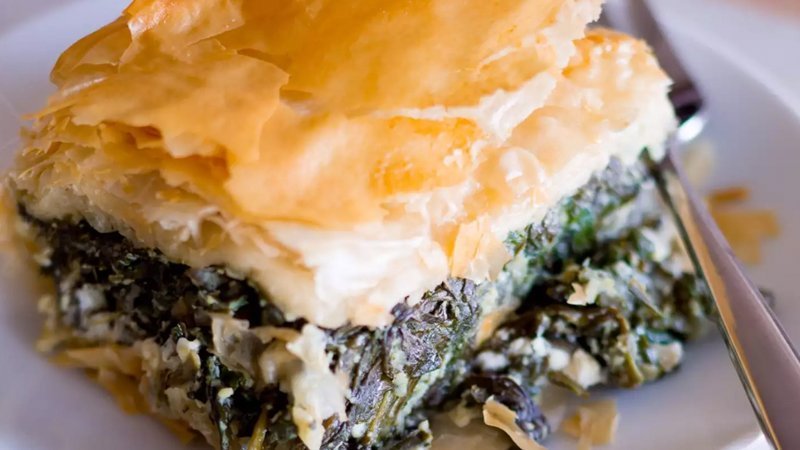
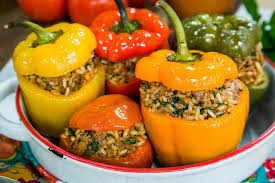
Some of the typical foods of Greece are; Spanakopita, Gemista, Mousakás, Dolmadas, Berenjenas Papoutsakia, Tiropita, Bougatsa.

I’m going to focus on two of these dishes:

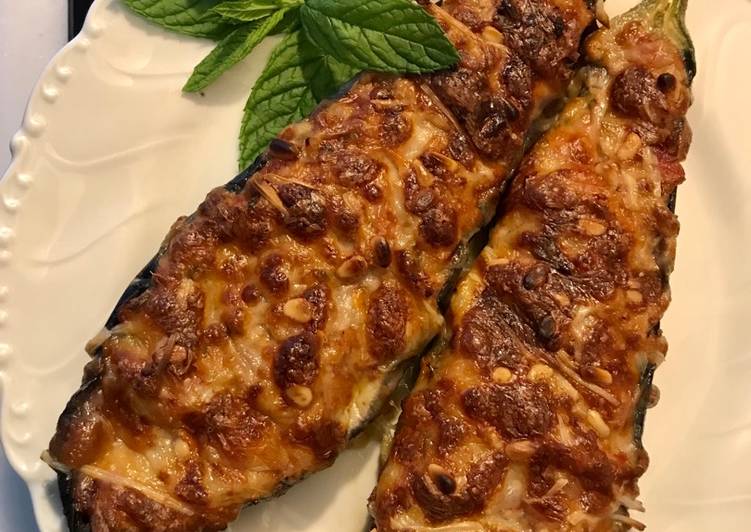
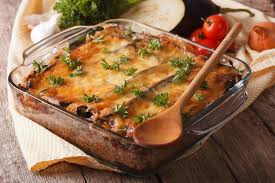
-Mousakás. Is a traditional dish from the Balkans and the Middle East made from aubergines, especially popular in Palestinian cuisine. The Greek version, which is the best known internationally, consists of layers of minced lamb, sliced eggplant, and tomato, topped with a bechamel sauce and baked.

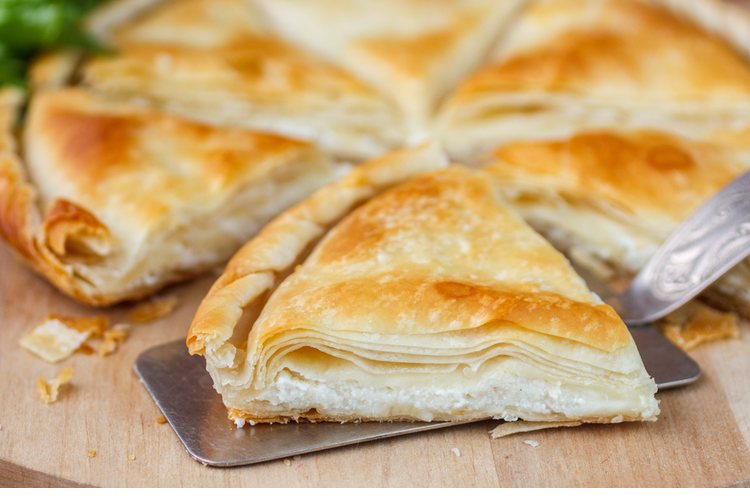
– Tiropita. Is a salty cake typical of Greek cuisine made with layers of filo dough and filled with a mixture of cheese and egg. A variant is the Skopelos spiral cheesecake, in which long strips of filo dough filled with cheese are rolled into a spiral and fried. The Tiropita can also be made in a large frying pan and cut into individual portions after cooking. The individual version is sold in bakeries throughout Greece, where it is a popular aperitif and breakfast. Alternatives to tiropita are spanakopita, a salty cake with spinach, as well as bougatsa.

ITALIAN FOOD

Some of the typical foods of Italy are; Lasagna, Pan genovés con aceitunas, La Piadina, Spaghetti alla Bolognese, La Bistecca alla fiorentin, El queso mascarpone, Prosciutto di Parma.

I’m going to focus on two of these dishes:

La Bistecca alla fiorentin. It consists of an ox steak between the ages of 12 and 24 months typical of the very traditional Italian cuisine in the region of Tuscany. It consists of a cut of the loin with its characteristic T-shaped bone that divides the fillet and the counterfillet of ox generally Chianina or Maremmana breed and has a great thickness. The name of this steak comes from the ancient tradition of the city of Florence of celebrating the feast of St. Lawrence, which the Medici family had the custom of celebrating every 10th of August, when the city was illuminated and a large quantity of beef was served to the Florentine population.

La Piadina. Is a flat bread made from wheat flour of Italian origin, typical of the provinces of Romagna in the Emilia-Romagna Region.La piadina romañola is a gastronomic product consisting of a puff pastry made from wheat flour, pork fat, and other ingredients, salt and water, traditionally cooked in a terracotta dish, called teglia, and nowadays more commonly cooked on metal plates or on refractory stones called testo. It is, as Giovanni Pascoli would say, «the bread, rather, the national meal of the Romagnais»: in reality, it was in the first place for the poorest.